Select Page

How Buying a Mobile Home in Southern California Works (And What Most People Get Wrong)

by | Jan 21, 2026 | Uncategorized

manufactured home buying process overview<br />

The manufactured home buying process includes several important steps that are different from purchasing a traditional home. Understanding how the manufactured home buying process works, including park approval and closing, helps buyers move forward with confidence and realistic expectations.

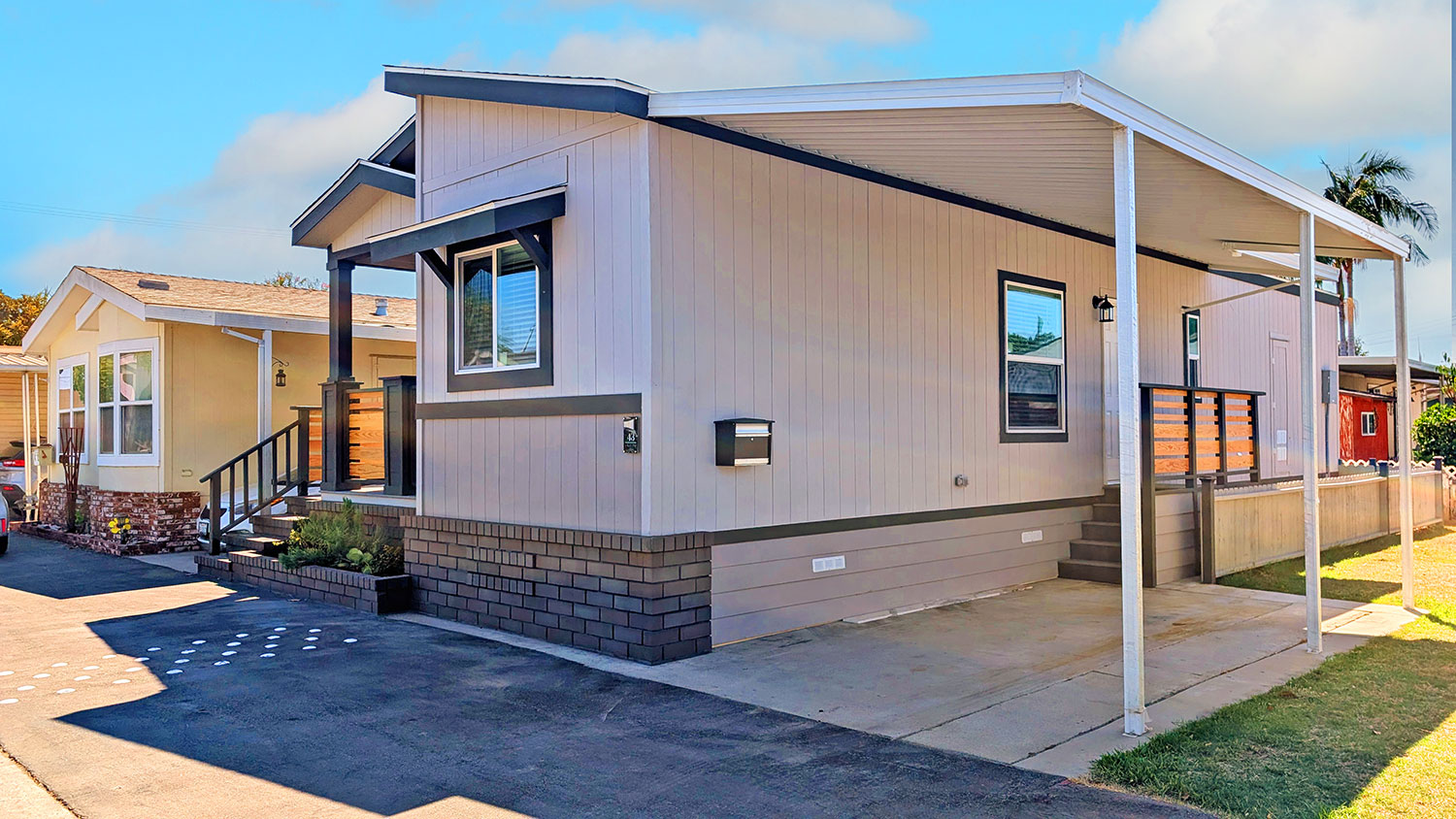
However, today’s mobile homes are very different from what most people imagine. In California, the term mobile home is commonly used to describe what are technically called manufactured homes—homes built after 1976 to federal HUD standards. When you understand how buying a mobile home actually works in Los Angeles and Orange County, the process becomes much clearer and far less intimidating.
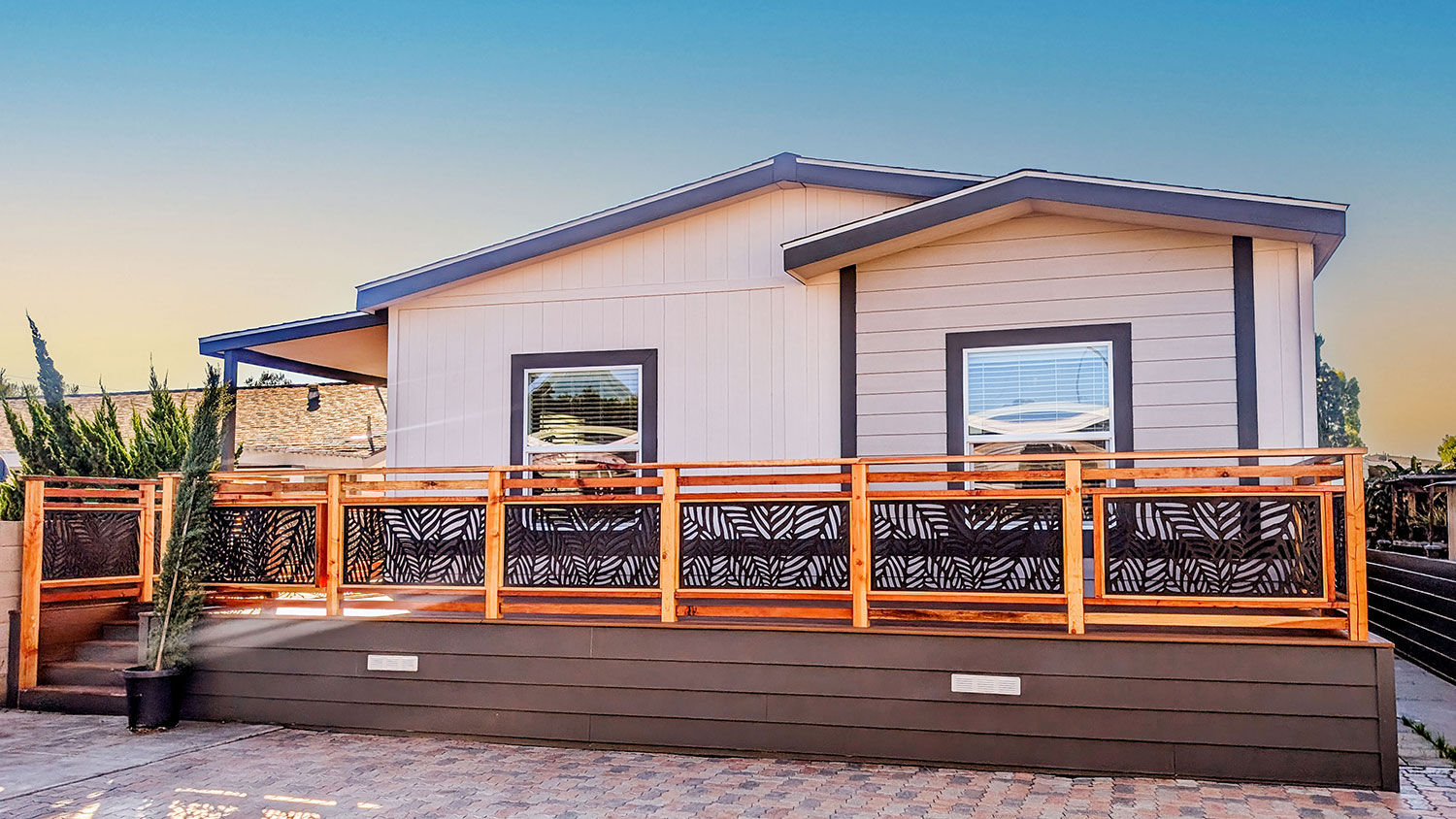
new-mobile-homes-orange-county

What Is a Mobile Home, Really?

The manufactured home buying process includes several important steps that are different from purchasing a traditional home. Understanding how park approval, financing, and closing work ahead of time helps buyers move forward with confidence and realistic expectations.

In California, a mobile home typically refers to a factory-built home constructed after June 15, 1976. These homes are built to federal HUD standards, which regulate safety, construction quality, and durability. As a result, modern mobile homes meet much higher standards than older pre-1976 models.

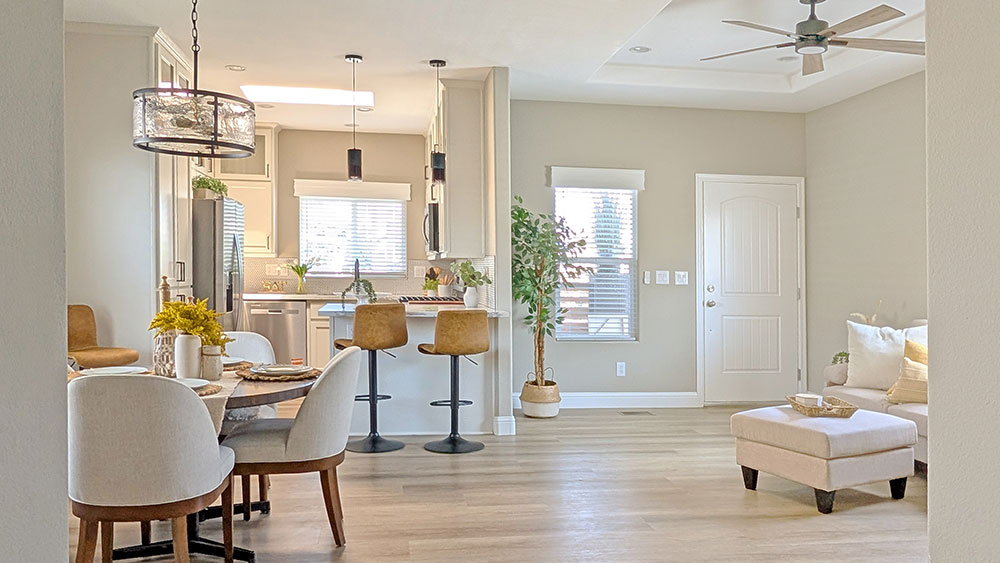
Today’s mobile homes often include open floor plans, updated kitchens, modern finishes, and energy-efficient features. Because of these improvements, many buyers are surprised by how similar they feel to traditional site-built homes.

Additionally, mobile homes are built in controlled factory environments. This allows for consistent quality, fewer construction delays, and less material waste. Once completed, the home is transported to its final location and installed according to California and local regulations.

In Southern California, this process is especially important due to zoning laws, park rules, and space limitations. Understanding these factors early helps buyers avoid confusion later in the buying process.

Manufactured homes are regulated at the federal level under standards set by the U.S. Department of Housing and Urban Development (HUD).

Mobile Homes vs. Older Pre-1976 Homes

Although many people use the term mobile home for all factory-built housing, there is an important distinction in California. Homes built before June 15, 1976, are considered older mobile homes, while homes built after that date are classified as manufactured homes under HUD standards.

This difference can affect financing, insurance, resale value, and park eligibility. In Los Angeles and Orange County, most established communities primarily allow HUD-compliant mobile homes rather than older units.

modern-mobile-home-in-anaheim-ca

Why Mobile Homes Are So Popular in Los Angeles & Orange County

Housing affordability continues to be one of the biggest challenges in Los Angeles and Orange County. Traditional single-family homes often come with high price tags, large down payments, and strong competition. Because of that, many buyers are looking for alternatives that still provide stability and long-term housing.

Mobile homes offer a more accessible path to homeownership while allowing buyers to stay in desirable Southern California locations. As a result, they have become increasingly popular among first-time buyers, retirees, and those looking to downsize.

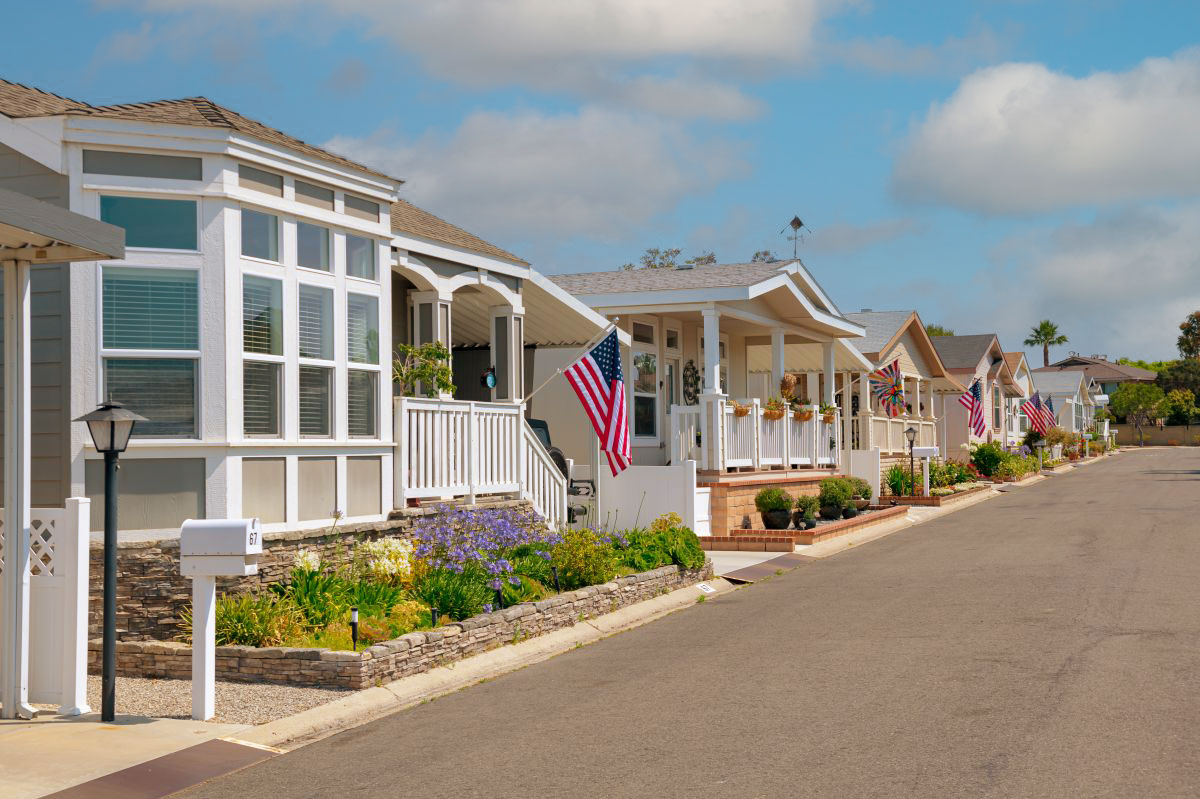
Another major appeal of mobile homes in Southern California is location. Many mobile home communities are situated near beaches, shopping centers, hospitals, and major freeways. In Orange County especially, it’s common to find communities just minutes from coastal cities or established neighborhoods.

Additionally, many communities offer amenities such as pools, clubhouses, walking paths, and gated access. For many buyers, this lifestyle component is just as important as the home itself.

Affordable Living Without Leaving the Area

One of the biggest advantages the manufactured home buying process in Los Angeles or Orange County is the ability to remain local. Instead of relocating far inland to find affordable housing, buyers can often stay close to family, work, and familiar neighborhoods.

Because land is limited in Southern California, mobile home communities use space efficiently. This allows buyers to enjoy well-maintained neighborhoods without the cost typically associated with site-built homes in the same areas.

Lower Maintenance, Simpler Living

Many buyers are drawn to mobile homes because of the lower-maintenance lifestyle. Community management usually maintains common areas, landscaping, and shared amenities. This makes mobile homes especially appealing to retirees or homeowners looking to simplify.

At the same time, modern mobile homes still allow for personalization and long-term comfort. This balance between convenience and independence continues to drive demand throughout Los Angeles and Orange County.

Where Mobile Homes Are Located in Los Angeles & Orange County

In Southern California, mobile homes are most commonly located within established land-lease communities. In these communities, homeowners own the mobile home itself but lease the land it sits on. Because land availability is limited in Los Angeles and Orange County, this model allows for more efficient use of space while maintaining desirable locations.

As a result, many mobile home communities are located near major cities, beaches, shopping centers, and transportation corridors.

Popular Mobile Home Communities in Orange County

Orange County is home to some of the most sought-after mobile home communities in Southern California. Well-known communities include Rancho La Paz in Anaheim, Lake Park in Brea, Del Prado in Dana Point, and Rancho Alipaz in San Juan Capistrano. These communities are popular due to their locations, amenities, and long-term upkeep.

Mobile Home Communities in Los Angeles County

Los Angeles County also offers a wide range of mobile home communities, particularly in areas where traditional housing costs are highest. Communities can be found throughout the South Bay, San Fernando Valley, and Southeast Los Angeles County, allowing residents to remain close to employment centers and essential services. Perfect for the manufactured home buying process that this will help you with.

Why Location Matters When Buying a Mobile Home

Location plays a major role in lifestyle, monthly costs, and long-term satisfaction when purchasing a mobile home. Park rules, space rent, amenities, and proximity to services can vary widely from one community to another. Because of that, choosing the right location is just as important as choosing the home itself.

modern-mobile-home-in-lakewoodca

How the Mobile Home Buying Process Works in Southern California

Buying a mobile home in Los Angeles or Orange County works differently than buying a traditional house. Because most mobile homes are located in land-lease communities, there are additional financial and approval steps involved. For that reason, the process works best when buyers are prepared before they begin shopping.

Most importantly, the very first step is pre-qualification. This helps ensure you are looking at homes within a comfortable budget and prevents disappointment later in the process.

Step 1: Get Pre-Qualified Before You Shop

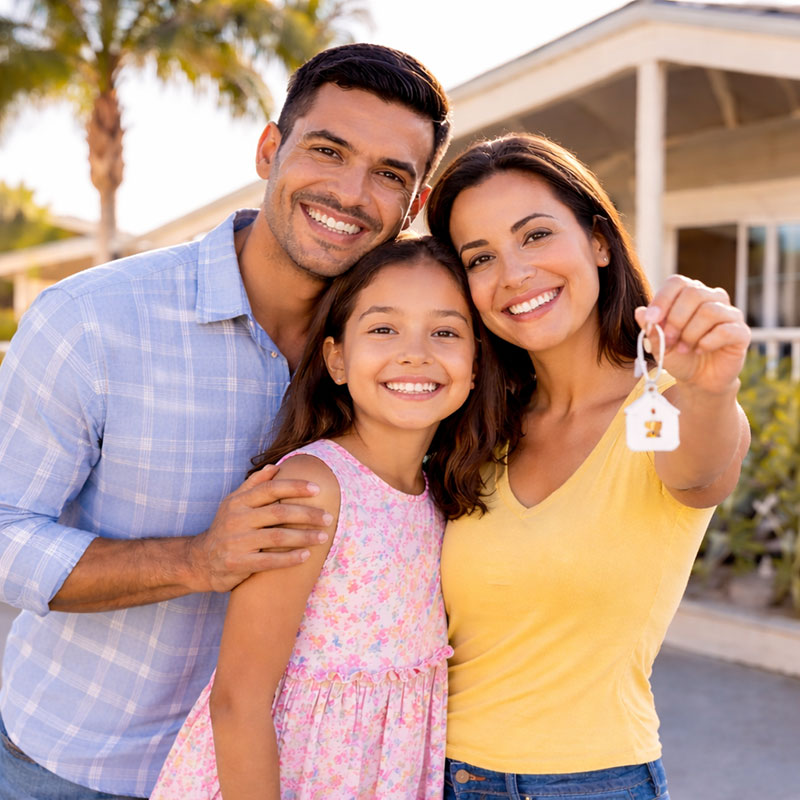
Before touring homes or scheduling showings, buyers should get pre-qualified for a mobile home loan. Pre-qualification helps determine how much you can comfortably afford and whether financing is realistic for your situation. It also allows us to focus only on homes that truly fit your budget.

In Southern California, most lenders use approximately 45–48% of gross income to determine loan eligibility. From that number, monthly obligations shown on your credit report — such as car payments, credit cards, and space rent — are deducted to determine what remains available for a mortgage payment.

A Simple Example (for Education Only)

Here’s a simplified example to help illustrate how lenders generally look at income:

If a household qualifies for $3,200 per month, lenders will subtract existing obligations such as:

  • Space rent (example: $910)

  • Car payment (example: $500)

  • Credit cards or other debts (example: $100)

That would leave approximately $1,690 available for a mortgage payment.

As a general guideline, for every $100,000 borrowed, mobile home loan payments typically range from $750–$950 per month, depending on interest rate and credit profile.

(This is a general estimate, not a loan quote.)

Important Financing Basics to Know

Mobile home loans are different from traditional home loans. Most mobile homes in parks are financed using chattel loans, which are considered personal property loans rather than real estate loans. Because of this, interest rates are typically higher than conventional mortgages.

Additionally, buyers pay property taxes on the home only, not the land, since the land is leased through the community. Monthly space rent is paid separately to the park.

Most lenders require:

  • 10–20% down payment, depending on credit

  • Stable income history

  • Acceptable debt-to-income ratio

Who Mobile Home Lenders Typically Work With

There are only a small number of lenders that specialize in mobile home financing. Two commonly used options include:

  • 21st Mortgage – a direct lender that often works best for buyers with stronger credit

  • U.S. Financial Network, Inc. – a broker that works with multiple lenders and helps match buyers to the best available option

Buyers are free to choose the lender they feel most comfortable with. In many cases, working with a broker allows access to more than one lending option.

What Lenders Typically Require for Pre-Qualification

Documentation requirements depend on how you earn income. In general:

  • W-2 employees:

    • Most recent W-2

    • One month of recent pay stubs (four if paid weekly)

  • Self-employed or 1099 income:

    • Last two years of tax returns (including Schedule C)

  • Retired buyers:

    • Most recent award letters or 1099s

In most cases, buyers must show two consecutive years of consistent income. Significant career changes within the last two years can affect eligibility.

Step 2: Work With an Agent Who Understands Mobile Homes

Once you are pre-qualified, the next step is working with an agent who understands mobile home communities, park rules, financing limitations, and approval requirements. This helps prevent wasted time looking at homes that don’t meet lender or park guidelines.

At this stage, we can also confirm whether multiple people will be needed on the loan. In many cases, up to four people may be used to help qualify, as long as they will be living in the home.

(Residents must meet park age requirements, especially in 55+ communities.)

Step 3: Find a Mobile Home That Fits Your Budget and Lifestyle

With pre-qualification in place, the search becomes much more focused. Buyers can confidently look at homes that match their budget, desired amenities, and preferred communities. This includes evaluating space rent, park rules, and long-term affordability.

Because inventory can move quickly in Los Angeles and Orange County, being financially prepared allows buyers to act decisively when the right home becomes available.

Step 4: Manufactured Home Buying Process — Park Application, Approval & Closing

t this point in the process, you’ve found a home and are moving forward.
Now, the focus shifts from the home itself to the community it sits in.

Because manufactured homes are located inside parks, buyers must be approved by the park before the sale can close. This step is required and completely normal.

What Happens During Park Approval

First, you’ll complete a park application.
This application is separate from any loan approval and is reviewed directly by the park management.

Typically, parks look at income, credit history, and background information. In addition, they confirm that your monthly income comfortably supports both the home payment and the space rent.

As a result, this step helps maintain the financial stability of the community.

How Long Park Approval Takes

In most cases, park approval takes anywhere from a few days to a couple of weeks.

However, timelines depend on how quickly documents are submitted and how efficiently the park processes applications. For that reason, submitting everything correctly the first time is important.

Throughout this stage, I help ensure applications are complete and organized to avoid unnecessary delays. Each step in the manufactured home buying process is designed to protect both buyers and the community.

What Happens After Approval

Once approval is granted, the process becomes much more straightforward.

At this stage, loan documents (if applicable) are finalized, ownership paperwork is completed, and closing dates are confirmed. Shortly after, you’ll receive move-in details from the park.

In other words, approval clears the final hurdle before closing.

If an Application Is Denied

Occasionally, an application may not be approved.
While disappointing, this does not always mean the end of the road.

Sometimes denials are due to park-specific rules or debt-to-income limits. If this happens, we reassess and explore other parks or homes that better fit your situation.

Most importantly, a denial is information — not a judgment.

My Role During This Step

During park approval and closing, I stay actively involved.

That means answering questions, clarifying next steps, and helping keep the process calm and organized. Above all, my goal is to make sure you understand what’s happening and why.

As a result, this stage feels manageable instead of stressful.

Step 5: Final Walkthrough, Move-In & Settling In

After closing is complete, the focus shifts from paperwork to preparation.
At this stage, you’re no longer planning — you’re transitioning into ownership.

This step is about making sure everything is ready for a smooth move-in.

Final Walkthrough

Before moving in, a final walkthrough is typically completed.

During this time, you’ll confirm that the home is in the agreed-upon condition and that any negotiated repairs or items are resolved. Additionally, utilities and basic systems can be checked.

As a result, this walkthrough helps avoid surprises after move-in.

Utilities, Space Rent & Park Requirements

Next, utilities and park logistics are addressed.

This may include setting up electricity, gas, water, trash service, and confirming the start date for space rent. In many parks, management will also provide move-in rules and scheduling requirements.

Because each park operates differently, understanding these details upfront makes the transition smoother.

Move-In Timing

Once everything is confirmed, move-in can be scheduled.

Some parks require advance notice or limit move-in days and times. For that reason, planning ahead helps prevent delays.

At this point, timelines are usually very clear and predictable.

What to Expect After Move-In

After move-in, it’s normal to have a short adjustment period.

You may receive additional park information, meet neighbors, or finalize small details related to living in the community. Over time, routines settle and the home begins to feel truly yours.

In other words, this is where the process turns into everyday life.

My Role After Closing

Whether questions come up about the park, future resale, or general ownership, I’m here to help guide you when needed. Above all, my goal is long-term clarity — not just a completed transaction.

Understanding the Manufactured Home Buying Process

The manufactured home buying process differs from traditional real estate because it involves both the home and the community where it is located. In addition to purchasing the home itself, buyers must meet park requirements and understand space rent obligations.

For many buyers, the manufactured home buying process can feel unfamiliar at first. However, knowing what to expect at each stage helps reduce stress and prevents delays. Park approval, closing timelines, and move-in rules all play a role in how smoothly the purchase moves forward.

Ultimately, the manufactured home buying process is easier to manage when buyers understand how each step fits together. Clear expectations and informed decisions allow buyers to move forward with confidence.

While buying a manufactured home has its own process, understanding each step makes the experience far more manageable. Clear expectations and the right support can turn what feels overwhelming into a confident decision.

Thinking about buying a manufactured home?

Buying a manufactured home can feel confusing — park rules, pricing, financing, and paperwork all matter.
I help buyers understand the process clearly so they can make confident decisions without pressure.